How To Book the Japan Rail Pass Without Overpaying Online
Author:Tooba
The most common mistake travelers make when planning a Japan trip is assuming the Japan Rail Pass is a mandatory purchase. For years, it was treated as a default decision, especially for first-time visitors moving between Tokyo and Kyoto. That logic no longer holds.
A 70 percent price increase in late 2023 completely changed the economics. Buying the pass without checking the numbers can quietly cost you more than ¥30,000, roughly $200, for no real benefit. The pass still works in specific situations, but those situations are narrower than most people expect.
This guide breaks down when the Japan Rail Pass actually makes sense, where people lose money without noticing, and how to book it online without paying unnecessary fees or locking yourself into bad timing.
Is the Japan Rail Pass Actually Worth the Money?
The current price of the national pass is the first reality check. A standard 7-day Japan Rail Pass now costs ¥50,000 ($330). The 14-day version jumps to ¥80,000 ($525), and the 21-day pass reaches ¥100,000 ($655) [1].
To understand what that means in practice, it helps to compare it with individual Shinkansen fares. A one-way bullet train ticket from Tokyo to Kyoto costs about ¥14,170 ($93). For a 7-day pass to pay off, you would need to travel the equivalent of nearly four one-way trips between those two cities within a single week [6].
For many itineraries, that math does not work.
If your plan looks like this:
- Four days in Tokyo
- Three days in Kyoto
- Departure from Osaka
The pass becomes a financial loss. Buying individual tickets saves roughly ¥20,000 ($130) in that scenario. Local travel within cities is inexpensive, and subways are not covered by the pass anyway.
The pass only starts to make sense if you are compressing long-distance travel into a tight window. Trips that include places like Hiroshima, Kanazawa, or northern cities such as Aomori within seven days are where the numbers begin to favor the pass. Even then, the pace is demanding.
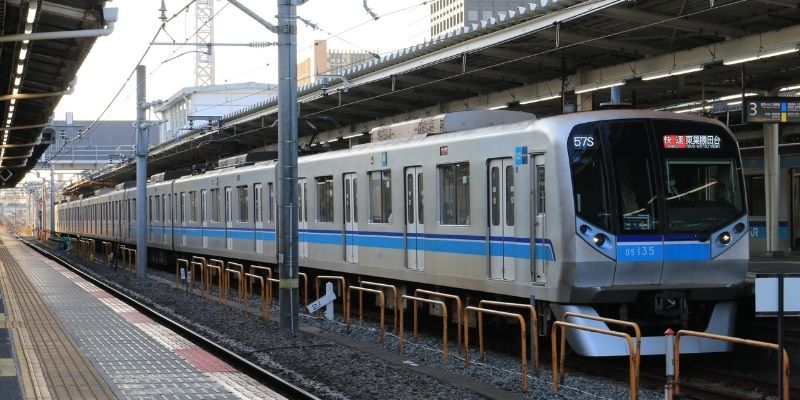
Convenience used to justify the cost. Today, digital IC cards such as Suica and Pasmo, combined with official booking apps, allow travelers to move easily without committing to a nationwide pass.
Best Sites to Buy the Pass Without Hidden Fees
There are two legitimate ways to buy the Japan Rail Pass online. Each comes with a different trade-off.
Buying from the Official Japan Rail Pass Website
Purchasing directly through the official JAPAN RAIL PASS Reservation website is the most straightforward option. It also tends to be the most expensive because it charges the full yen price without the small discounts sometimes offered by third-party agents [3].
The advantage is flexibility. The official site allows you to reserve Shinkansen seats online before arriving in Japan. During peak travel periods such as Golden Week in May or the New Year holidays, this feature can matter. Being able to secure seats in advance reduces the risk of standing for long stretches on crowded trains.
For travelers visiting during high-demand seasons, the slightly higher price can be justified by the reduced stress.
Buying Through Authorized Third-Party Vendors
Authorized sellers such as Klook or Japan Experience often sell the pass for slightly less, especially during seasonal promotions or for first-time users [3].
When you buy from these vendors, you receive a physical Exchange Order by mail. This paper voucher must be brought to Japan and exchanged for the actual rail pass after arrival [4]. Because of shipping time, this method requires planning. Ordering at least two weeks before departure helps avoid delays.
Caution matters here. Sites that are not on the official list of authorized dealers often advertise low prices but add processing or service fees late in checkout. Any savings usually disappear at the final payment screen.
Real Trip Costs: Shinkansen vs Local Tickets
Understanding how Japanese train fares are structured helps explain where money is actually going. Most tickets consist of two parts: a base fare for distance and a limited express surcharge for speed [7].
Local travel within cities like Tokyo or Osaka is inexpensive. A full day of moving between neighborhoods usually costs between ¥800 ($5) and ¥1,500 ($10).
Long-distance Shinkansen routes are where costs add up:
- Tokyo to Kyoto: about ¥14,170 ($93)
- Kyoto to Hiroshima: about ¥11,300 ($74)
- Hiroshima to Osaka: about ¥10,600 ($70)
- Osaka to Tokyo: about ¥14,500 ($95)
If you follow the classic “Golden Route” over two weeks, individual tickets total roughly ¥50,570 ($332). In that case, buying an ¥80,000 14-day rail pass results in nearly ¥30,000 ($193) of wasted spending.
Compress those same trips into seven days, and the ¥50,000 7-day pass technically breaks even. The trade-off is fatigue. Moving cities almost daily limits flexibility and increases transit time.
A 5-Day “Value Route” Using a Regional Pass
For many travelers, regional passes offer better value than the national option. These passes cover smaller areas but cost significantly less.
One example is the JR West Kansai-Hiroshima Pass. It costs around ¥17,000 ($112) for five days and covers travel between Osaka, Kyoto, and Hiroshima [4].
Sample 5-Day Itinerary
- Day 1: Arrive in Osaka. Evening meal at a casual standing sushi spot to keep costs low.
- Day 2: Day trip to Nara using local JR lines included in the pass.
- Day 3: Morning Shinkansen to Hiroshima. Afternoon ferry to Miyajima, also covered.
- Day 4: Visit the Peace Memorial Park, then continue to Himeji to see the castle.
- Day 5: Return to Kyoto for final sightseeing.
This pass costs less than a single round-trip ticket between Osaka and Hiroshima if purchased separately. It provides the same bullet train experience without the ¥50,000 commitment of the nationwide pass.
Food Strategy for the Rail-Bound Traveler
Eating well while moving between cities does not require a large budget. Transit hubs in Japan offer a wide range of options.
Ekiben, the boxed meals sold at stations, are convenient and culturally iconic. Prices range from ¥1,100 ($7) to ¥2,500 ($16) [5]. While enjoyable, they often carry a tourist markup.
A better value option is the department store basement, known as depachika. Stores like Daimaru or Takashimaya are usually attached to major stations. After 7:00 PM, many vendors discount prepared food by 30 to 50 percent [6].
Convenience stores such as Lawson and FamilyMart offer reliable meals for under ¥1,000 ($6.50). Typical prices include:
- Onigiri: about ¥160 ($1)
- Fried chicken snacks: around ¥220 ($1.45)
For sit-down meals, ticket-machine restaurants such as Yoshinoya or Matsuya offer beef bowls with soup for roughly ¥600 ($4) [5].
Avoid restaurants that charge an automatic table fee unless you are planning a long evening. These charges usually add ¥300 to ¥500 ($2 to $3.50) per person.
Timing Your Purchase to Save Money
When you buy the rail pass matters almost as much as whether you buy it at all.
Exchange Orders from third-party sellers must be activated within 90 days of purchase [4]. Buying too early risks expiration. Buying too late can result in express shipping fees.

The official website uses a shorter 30-day pickup window, which leaves less margin for changes.
Exchange rates also affect timing. When the yen is weak against your local currency, purchasing sooner can make sense. Some third-party vendors run seasonal promotions, including late-November sales that reduce prices by 5 to 10 percent.
For peak travel periods such as cherry blossom season in late March, ordering at least six weeks in advance helps avoid processing delays.
Common Ticket Traps and Peak-Hour Costs
One of the most expensive mistakes travelers make is boarding a Nozomi or Mizuho train without understanding the rules. While these trains are now accessible with a standard rail pass, they require a supplemental Nozomi/Mizuho ticket. The extra cost ranges from ¥4,180 ($27) to ¥8,140 ($53), depending on distance [2].
Sticking with Hikari or Sakura services avoids this fee. Travel time between Tokyo and Kyoto is only about 15 to 20 minutes longer.
Another risk is losing your physical pass or ticket. There is no recovery system. A replacement requires purchasing a new ticket at full price. Keeping the pass in a dedicated pocket and taking a photo as backup helps reduce stress.
During holidays, reserved seat fees on individual tickets can increase by several hundred yen. Budget travelers often use non-reserved cars, usually cars 1 through 3. Arriving at the platform 20 minutes early improves the chance of getting a seat.
What to Book First and What to Keep Flexible
Start by mapping your long-distance travel using tools like Navitime or Google Maps. Add up the total cost of individual tickets. If the total is under ¥45,000, the 7-day pass rarely makes sense.
Once that decision is clear:
Book flights
Choose and book the rail pass about 45 days before departure
Local travel does not need advance planning. Load ¥5,000 ($33) onto a digital Suica or Pasmo card for subways, buses, and small purchases.
For Shinkansen trips without a pass, the Smart EX app allows seat changes up to four minutes before departure at no extra cost. That flexibility makes it easier to adjust plans without financial penalties.
References
[1] Japan Rail Pass Official Site: Types and Prices of the Japan Rail Pass - https://japanrailpass.net/en/about_jrp/
[2] Japan-Guide: Japan Rail Pass Validity and Nozomi Supplements - https://www.japan-guide.com/e/e2361.html
[3] Klook Travel: Japan Rail Pass Booking and Discounts - https://www.klook.com/en-US/transport/rail-passes/
[4] Japan Experience: Regional Passes vs National Pass Comparison - https://www.japan-experience.com/plan-your-trip/travel-by-train/train-in-japan/nationalvsregionalpass
[5] MATCHA Japan Travel: Food Prices in Japan 2026 - https://matcha-jp.com/en/2532
[6] Inside Kyoto: Is the Japan Rail Pass Still Worth It - https://www.insidekyoto.com/japan-rail-pass-is-it-worth-it
[7] JRailPass Blog: Understanding Japan Train Ticket Components - https://www.jrailpass.com/blog/japan-train-tickets
Latest News

France on a Budget: Top Tips, Hidden Deals, and Money-Saving Secrets
March 12, 2026

Where To See The Aurora Borealis In 2026: Forecast, Spots, And Travel Tips
November 15, 2025
Ski Resorts That Make Winter Unforgettable: Utah, Colorado & Beyond
October 19, 2025
6 Best Travel Rewards Programs To Join This Year
September 30, 2025

The Best Time to Book Flights for Maximum Savings (Backed by Real Data)
September 7, 2025
TSA PreCheck Vs. Clear Vs. Global Entry: Which Airport Fast Track Is Right For You?
August 26, 2025